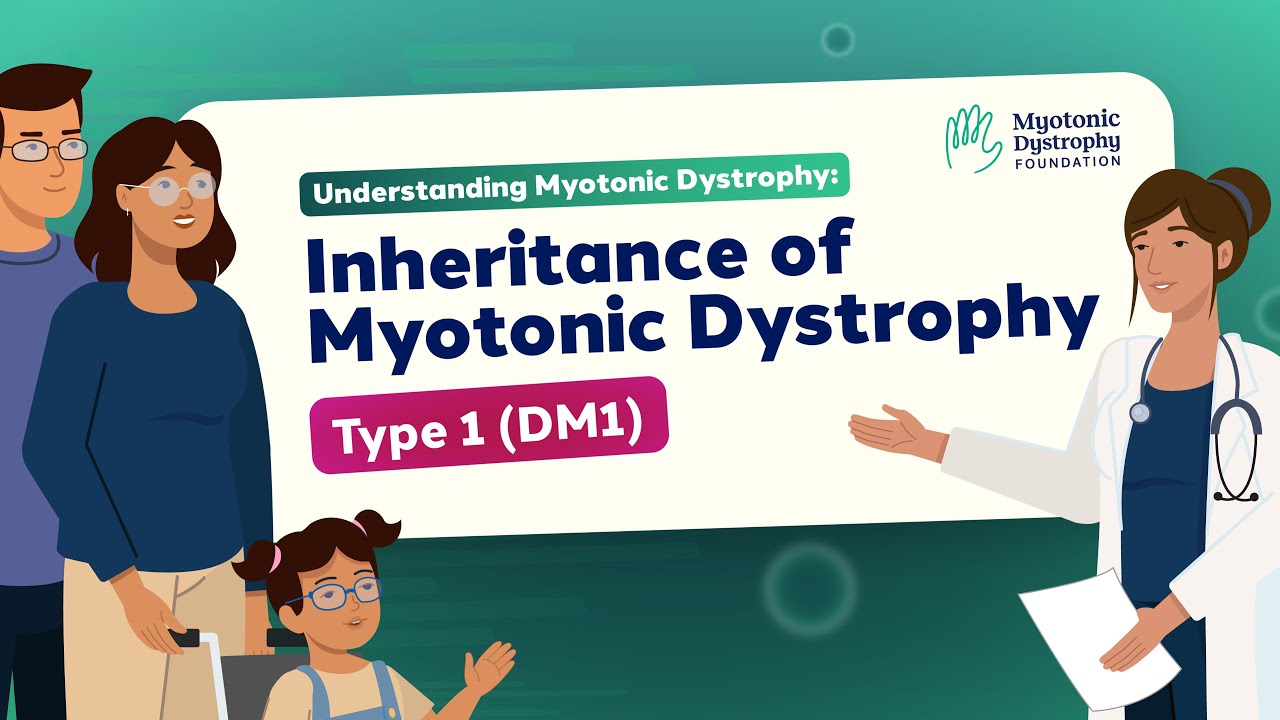
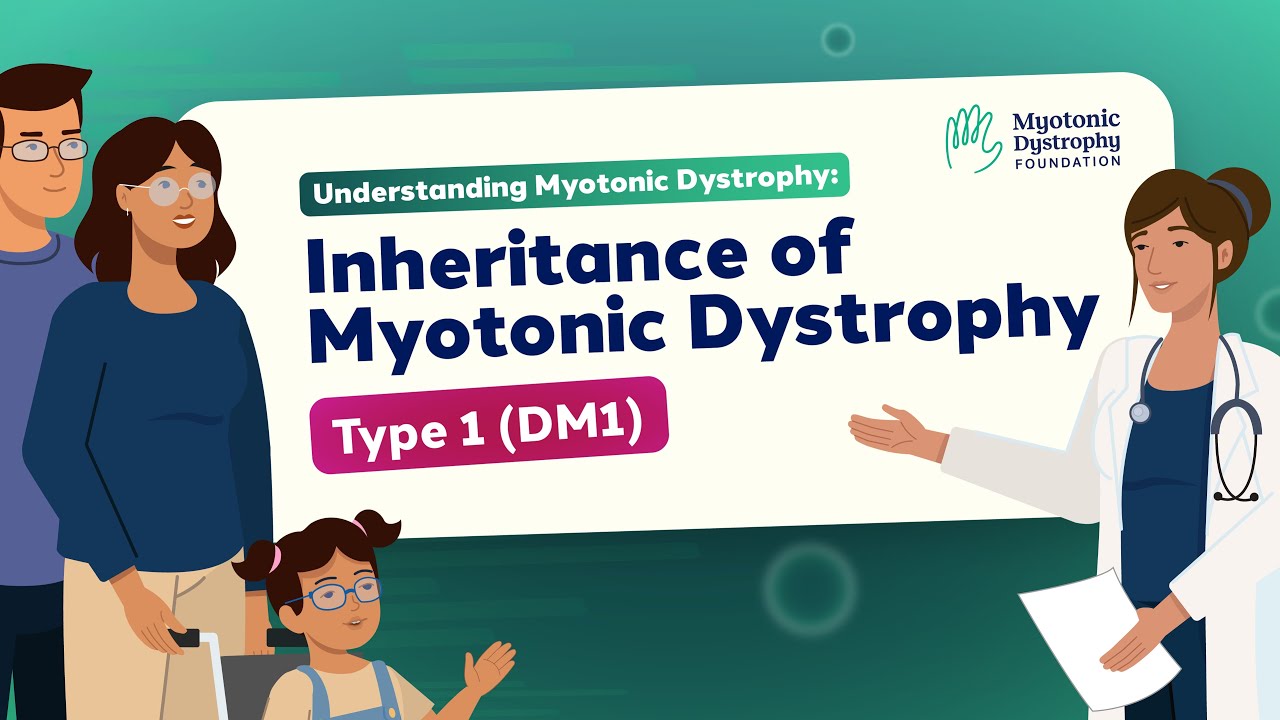
Myotonic dystrophy type 1 (DM1) is a genetic, progressive neuromuscular condition that affects muscles and multiple body systems. It can cause muscle weakness, myotonia, fatigue, and heart-related complications, with symptoms varying widely in severity and age of onset.
Myotonic dystrophy type 1 (DM1) is an inherited neuromuscular disorder that primarily affects muscle strength, function, and control. It is caused by a genetic mutation that leads to progressive muscle weakness and myotonia, which is the inability of muscles to relax after use. While DM1 most commonly impacts the muscles of the face, limbs, and respiratory system, it can also affect other areas such as the heart, digestive system, and endocrine function. Symptoms and severity vary widely from person to person, and they may appear at any age. As a multisystem condition, DM1 often requires coordinated care and long-term management to support mobility, independence, and overall quality of life.