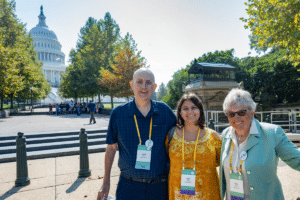
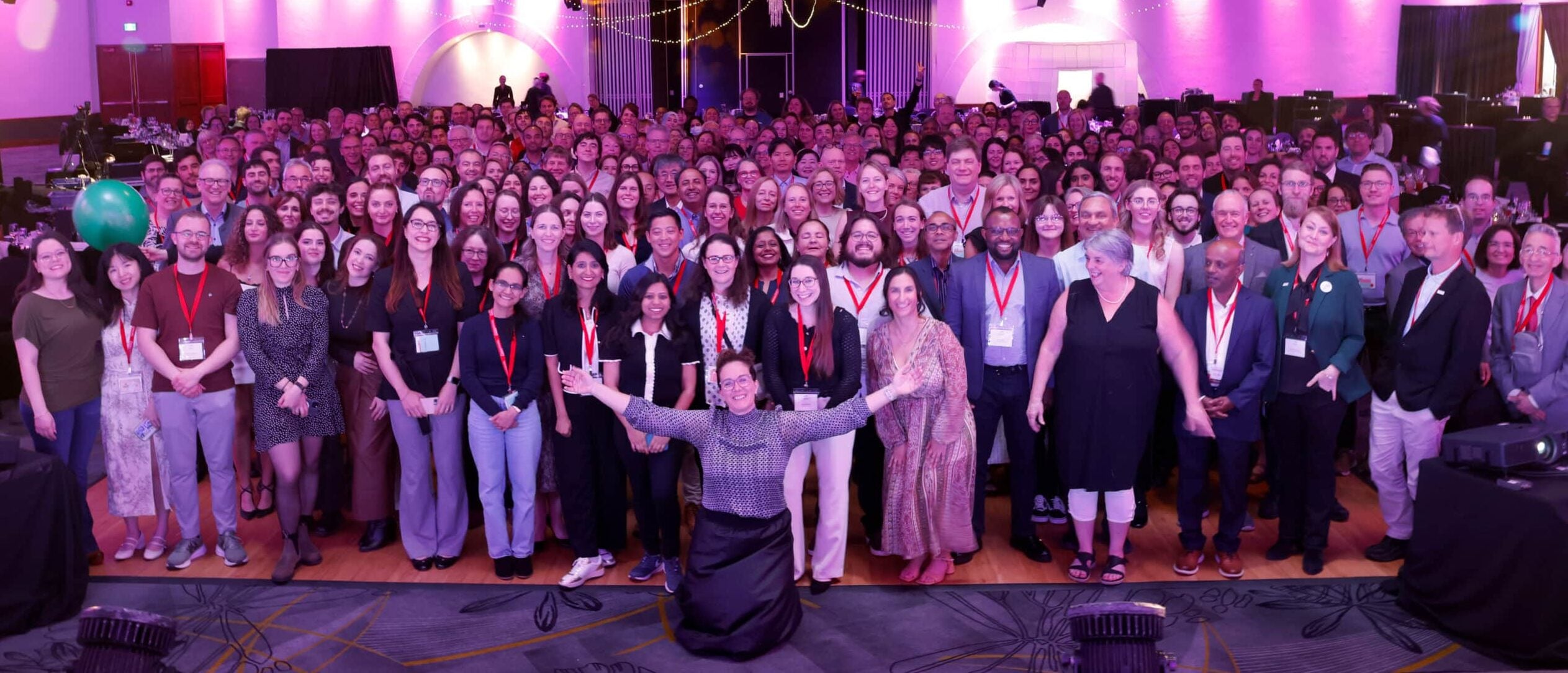
The global myotonic dystrophy research community gathered May 26–30, 2026, in Saguenay, Quebec, Canada, for the 15th International Myotonic Dystrophy Consortium Meeting, IDMC-15. The meeting brought together 400 researchers, clinicians, industry representatives, advocacy organizations, and community members from around the world to share the latest advances in myotonic dystrophy (DM) research and care.
Throughout the week, attendees shared new research findings, explored progress toward potential treatments, and strengthened collaboration across the global DM community. IDMC-15 once again demonstrated the progress being made in the field and the shared commitment to improving the lives of individuals and families affected by myotonic dystrophy.
For the Myotonic Dystrophy Foundation (MDF), IDMC-15 was an important opportunity to support collaboration across research, care, industry, and advocacy while elevating the voice of the patient community. MDF works to help accelerate myotonic dystrophy research and ensure that scientific progress continues to reflect what matters most to people living with DM and their families.
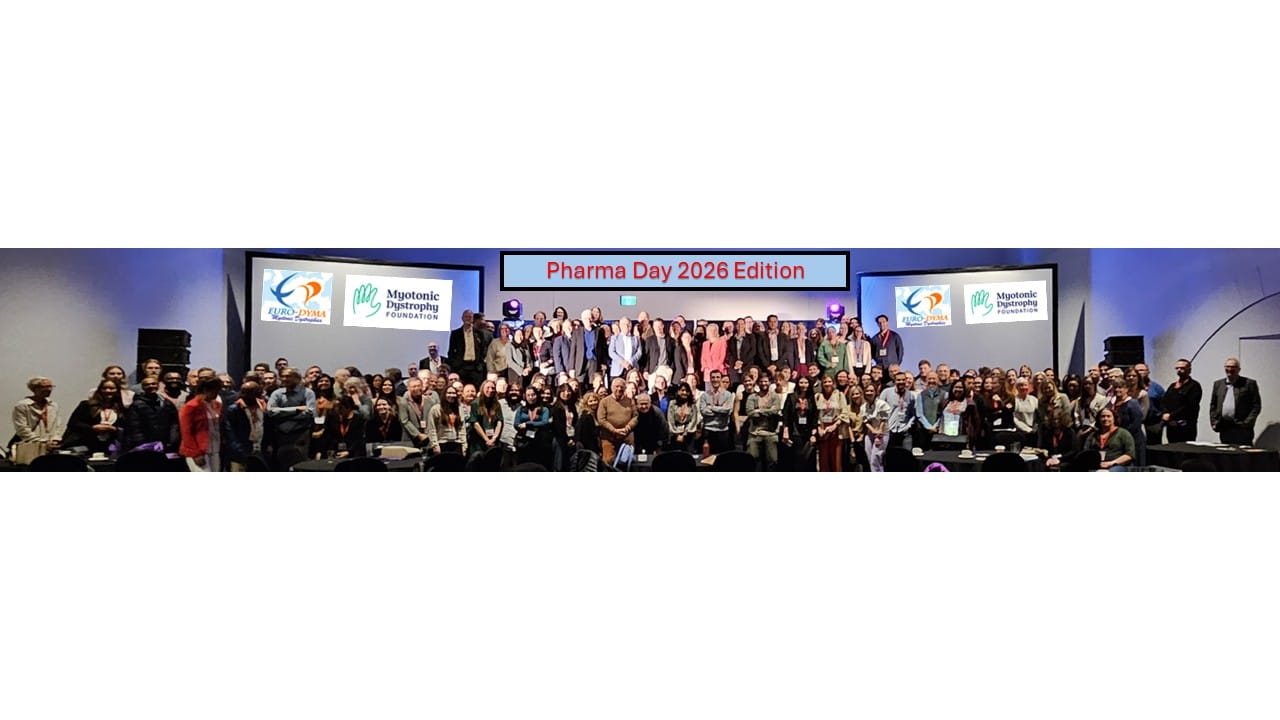
Pharma Day Brings Together More Than 250 Participants
More than 250 participants joined the Pharma Day program, which was co-hosted by Euro-DyMA and MDF. Pharma Day provided an important opportunity for industry partners, researchers, clinicians, and patient advocates to discuss current progress toward potential treatments and future directions for drug development in DM.
As potential therapies and research programs continue to advance, these conversations are essential. Pharma Day helped bring scientific, clinical, industry, and patient perspectives together around a shared goal: meaningful progress for the DM community.
MDF was proud to help convene this program and support continued collaboration across the global myotonic dystrophy field.
Following Pharma Day, members of the Global Alliance for Myotonic Dystrophy Awareness gathered in person to discuss shared areas of focus and potential future priorities for consideration by the Alliance. Click here to learn about the Global Alliance for Myotonic Dystrophy Awareness.
Steinert Awards Recognize Dr. John W. Day and Dr. Eric Wang
A highlight of IDMC-15 was the presentation of the 2026 Steinert Awards. The Steinert Award is one of the highest honors given within the DM research community. Awardees are selected by a vote of the IDMC international scientific committee, with past honorees including distinguished leaders in the field such as Sir Peter Harper. MDF has had the incredible honor of presenting these prestigious awards at each IDMC as a representative of the patient community.
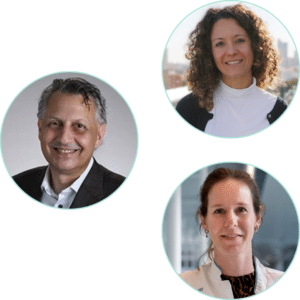
This year’s Steinert Awards recognized John W. Day, MD, PhD, of Stanford University, and Eric Wang, PhD, of the University of Florida, for their outstanding contributions to the myotonic dystrophy field. Both Dr. Day and Dr. Wang are also valued members of MDF’s Scientific Advisory Committee.
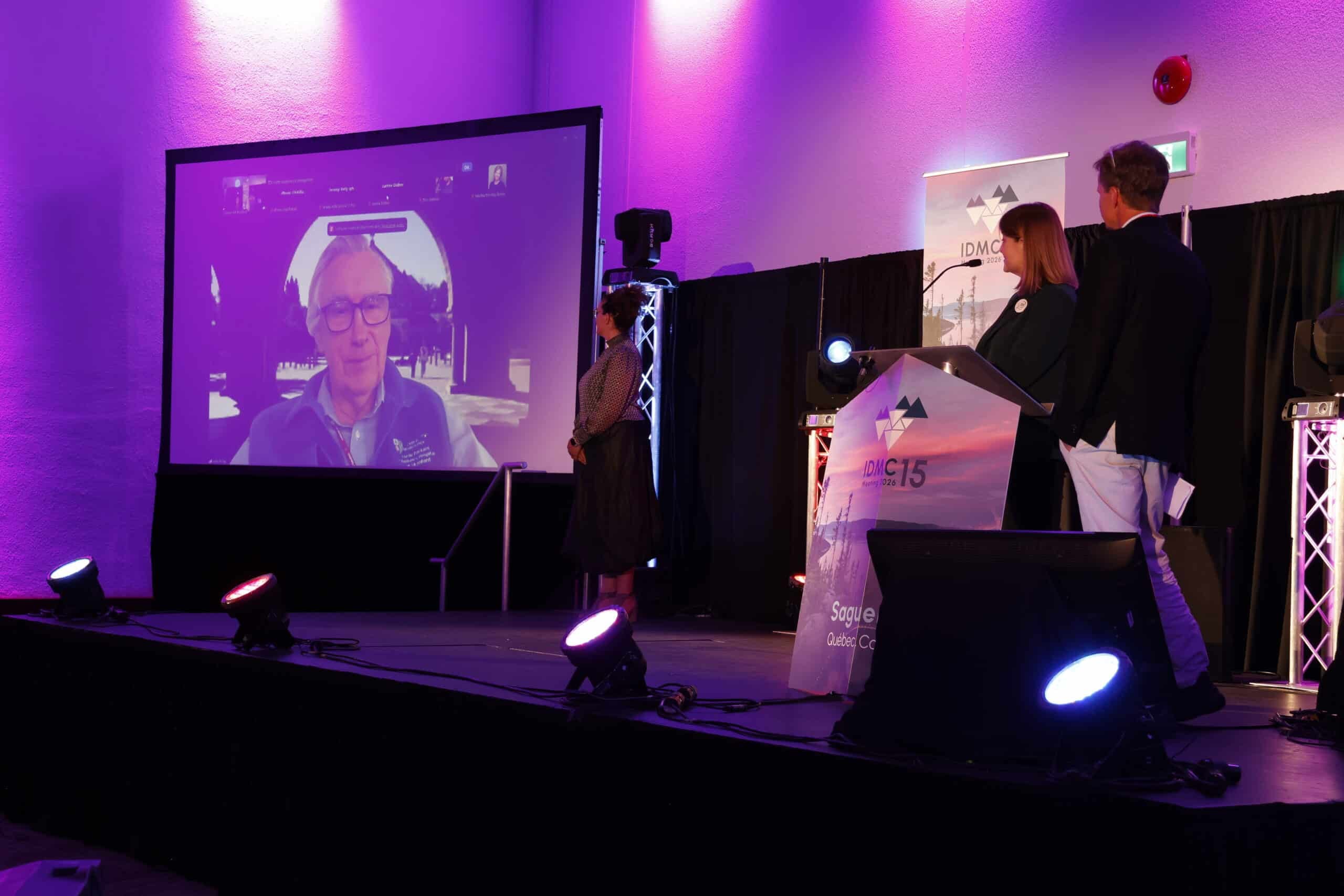
Honoring Dr. John W. Day with the Steinert Clinical Sciences Award
Dr. Day is Professor of Neurology and Neurological Sciences at Stanford University, with appointments in Pediatrics and Pathology, where he serves as Director of Stanford’s Neuromuscular Medicine Program. His clinical and scientific career has been devoted to understanding, diagnosing, treating, and changing the future for people living with genetic neuromuscular disease.
Long before myotonic dystrophy became a more visible focus for translational research and therapeutic development, Dr. Day recognized its complexity, its multisystem burden, and the need for care and research models that reflected the lived reality of patients and families. He has studied both DM1 and DM2, contributed to our understanding of their clinical manifestations, and helped shape the field’s movement toward better natural history studies, more meaningful outcome measures, and therapeutic trials.
What distinguishes Dr. Day’s work is not only his scientific depth, but the way he has combined science with service. He has built programs, mentored clinicians and investigators, advised national scientific efforts, and remained a trusted voice for families, advocacy organizations, and the broader neuromuscular community. Before coming to Stanford in 2011, Dr. Day directed the Paul and Sheila Wellstone Muscular Dystrophy Center at the University of Minnesota and has continued to contribute to national muscular dystrophy research efforts, including advisory roles connected to NIH muscular dystrophy programs.
For those of us working in myotonic dystrophy, Dr. Day represents a rare combination: the careful clinician who listens, the rigorous scientist who asks hard questions, the translational leader who sees where the field must go, and the generous colleague who helps others move it forward. His work has helped create the foundation on which today’s therapeutic optimism rests.
Perhaps most importantly, Dr. Day has consistently kept patients and families at the center. In a disease as complex as myotonic dystrophy, progress depends not only on scientific discovery and clinical trial planning, but also on understanding daily life with DM, including fatigue, cognition, cardiac risk, muscle function, family burden, and long-term care needs. Dr. Day has helped teach the field to see that full picture.
We honor Dr. John Day not only for his accomplishments, but for his enduring impact: on science, on clinical care, on the next generation of neuromuscular leaders, and on the myotonic dystrophy families whose hopes have helped guide his work.
MDF congratulates Dr. Day and thanks him for his leadership, generosity, vision, and unwavering commitment to the DM community. Your contributions have strengthened the field and helped bring us closer to a future in which myotonic dystrophy is not only better understood, but effectively treated.
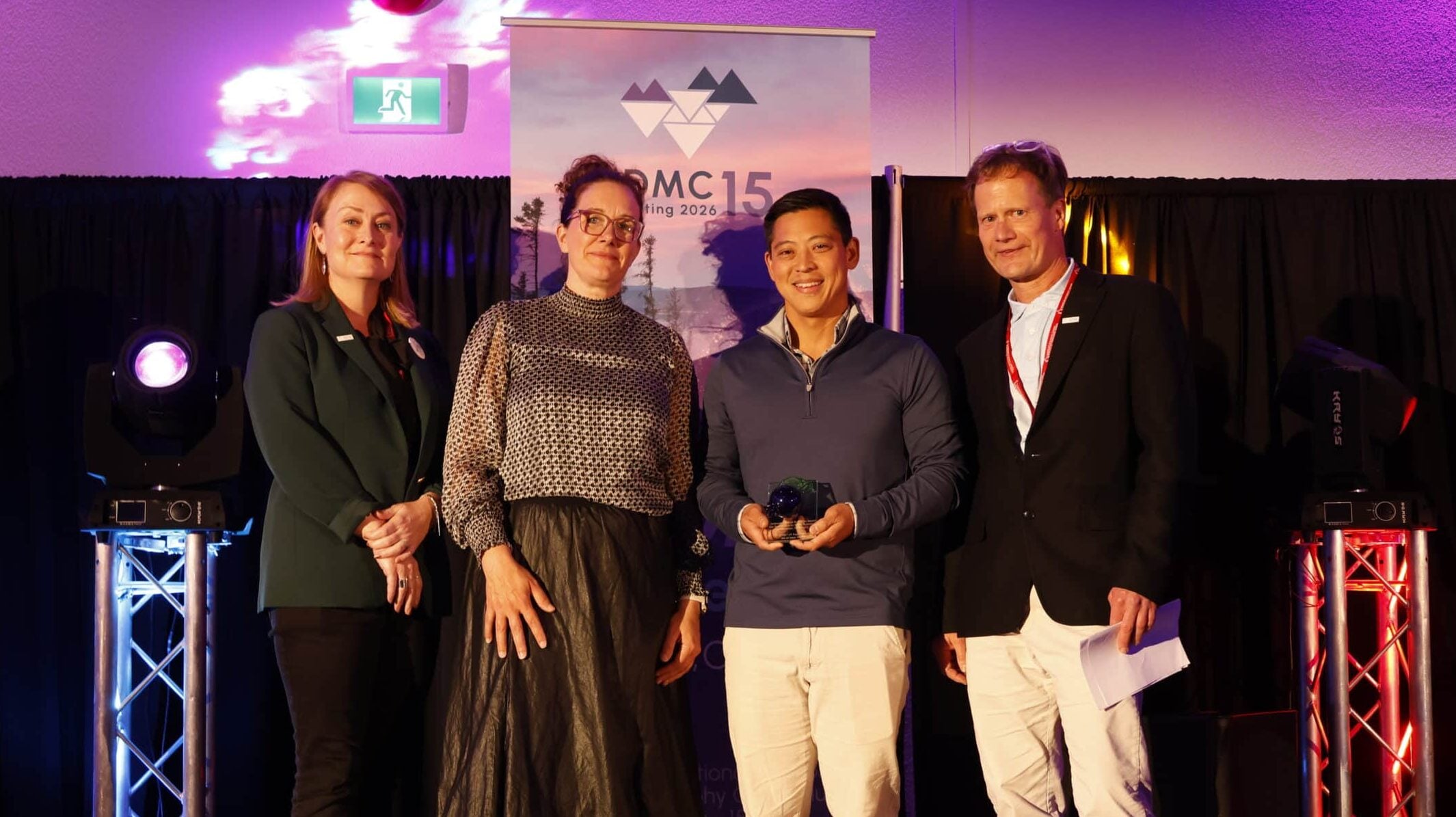
Honoring Dr. Eric Wang with the Steinert Basic Sciences Award
Dr. Wang is a scientist, innovator, mentor, entrepreneur, and deeply committed member of the myotonic dystrophy community. Dr. Wang’s career reflects what rare disease science can be at its best: rigorous, imaginative, translational, and deeply human. As a faculty member in the Department of Molecular Genetics and Microbiology and the Center for NeuroGenetics at the University of Florida, he has built a research program focused on myotonic dystrophy and repeat expansion diseases, with an emphasis on RNA biology, RNA processing, and gene regulation.
Dr. Wang’s mission is also personal. He has spoken openly about choosing to focus on myotonic dystrophy because members of his immediate and extended family live with DM1. That connection gives his work a rare clarity and reminds the field that behind every dataset, model system, and therapeutic idea are families waiting for progress.
Dr. Wang’s contributions span the full path from discovery to translation. He earned his undergraduate degree at Harvard and his PhD at MIT, followed by postdoctoral training at MIT. He also received a Myotonic Dystrophy Foundation Research Fellowship for work identifying RNA processing changes in the myotonic dystrophy transcriptome, early support for a research direction that has since helped shape the field.
Dr. Wang has not stopped at discovery. He has consistently pushed toward translation, helping build a clearer path from disease mechanism to treatment. That commitment is reflected in his role as co-founder of Kate Therapeutics, a biotechnology company developing AAV-based gene therapies for muscle and heart diseases. In 2024, Kate Therapeutics was acquired by Novartis, bringing forward platform technologies and preclinical programs in inherited neuromuscular diseases, including DM1.
For the myotonic dystrophy community, this is more than a business milestone. It is a sign that therapeutic innovation in DM is possible and that ideas born in academic laboratories can grow into platforms capable of attracting major industry commitment.
Equally important is Dr. Wang’s service to the community. He has worked closely with MDF for more than a decade, including service on MDF’s Strategic Planning Committee and National Advocacy Committee. He now serves as a member of MDF’s Scientific Advisory Committee.
We honor Dr. Eric Wang not only for what he has accomplished, but for what his work represents: a bridge between mechanism and medicine, between academia and industry, between personal experience and public impact.
MDF congratulates Dr. Wang and thanks him for his scientific leadership, personal commitment, and continued service to the myotonic dystrophy community.
MDF-Supported Fellows, Grantees, and Trainees Recognized
Another highlight of IDMC-15 was the recognition of several MDF-supported fellows, grantees, and trainees whose work received top honors in the poster and oral presentation competitions.
In the Fundamental Science poster competition, 2025 MDF Fellow Emily Davey-Osuch of the University of Florida received first place for her project, Investigating cell type-specific contributions to central nervous system disease mechanisms in myotonic dystrophy type 1.
2024 MDF Fellow Sakura Hamazaki of the University of Rochester received third place in the Fundamental Science poster competition for her project, Genetic block of Cav1.1 conductance rescues muscle weakness in a severe DM1 mouse model.
In the Fundamental Science oral presentation competition, MDF Intern Juan D. Arboleda of the University of Florida and 2024 MDF Fellow Bethlehem A. Bekele of Emory University received first place for their co-led presentation, Transcriptomic and molecular characterization of a neuronal mouse model for myotonic dystrophy type 1.
These awards highlight the strength of the next generation of DM researchers and the importance of continued investment in early-career scientists. MDF’s fellowship and grant programs help support researchers working to better understand myotonic dystrophy, identify new therapeutic targets, improve care, and build the foundation for future treatments.
 Global Patient Advocacy Organizations Gather at IDMC-15
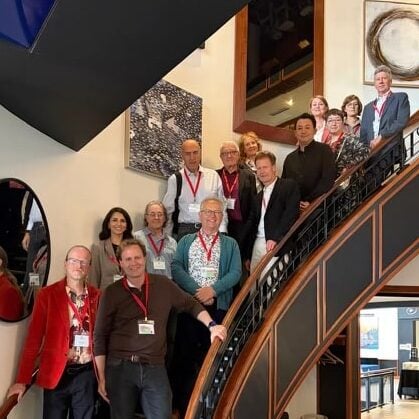
IDMC-15 also provided an important opportunity for myotonic dystrophy patient advocacy organizations from around the world to gather, connect, and discuss ways to strengthen support for the global DM community.
MDF was grateful to meet with fellow advocacy leaders from DM-Family Myotonic Dystrophy Patients’ Group of Japan, ADM1ES, MD Europe, Euro-DyMA, Myotonic Dystrophy Support Group, Cure Myotonic Dystrophy UK Charity, and Muscular Dystrophy Canada. Together, these organizations represent a shared commitment to improving awareness, support, research engagement, and advocacy for individuals and families affected by myotonic dystrophy.
These conversations reflected the importance of global collaboration in rare disease advocacy. By continuing to work together, patient organizations can help amplify community voices, share trusted resources, support research progress, and strengthen the network of care and connection available to people living with DM around the world!
Growing Momentum in DM Research
IDMC-15 reflected the strength, collaboration, and momentum of the global myotonic dystrophy field. From emerging research and therapeutic development to conversations shaped by the needs and experiences of people living with DM, the meeting showed how much progress is possible when the DM community works together.
MDF is grateful to the IDMC-15 organizers, Euro-DyMA, presenters, awardees, partners, and attendees who helped make this meeting an important moment for research, care, and community progress.
As the field continues to advance, MDF remains committed to accelerating research, supporting the next generation of DM investigators, and ensuring that the voices of people living with myotonic dystrophy and their families remain central to the path forward.
Click here to learn how you can support MDF and our mission of community, care, and a cure!