Research shows that moderate exercise is safe in people with DM and can support overall health without worsening disease progression (Voet NB, et al., 2019) (Cup EH, et al., 2007) (Orngreen MC, et al., 2005) (Roussel MP, et al., 2019). Exercise can help maintain joint health, support heart and lung function, improve balance, and even reduce certain types of pain you may experience related to muscle imbalance or tightness. However, it is important not to overexert yourself. Before starting an exercise program, individuals with DM should consult with a physical therapist or neurologist who has knowledge about DM or neuromuscular diseases for an evaluation. Together with your therapist, you will develop goals that match your symptoms, lifestyle, and priorities.
Because symptoms vary widely among people with DM, your physical therapy plan may look different from someone else’s. PTs often work closely with other members of your medical team to coordinate care. If you’re looking for a PT familiar with neuromuscular conditions, you can search MDF’s Find a Doctor Map. During your first visit, it may be helpful to share MDF’s Role of Physical Therapy in the Assessment and Management of Individuals with Myotonic Dystrophy article. It may also be helpful to have a caregiver come to appointments to learn the recommended exercises with you.
For more information about the benefits of exercise, types of exercise, how to get started, monitoring, motivation, and technology and exercise aids check MDF’s Exercise Guide written specifically for individuals and families with DM and reference MDF’s Exercising with Myotonic Dystrophy infographic. You can also join MDF’s Myotonic Dystrophy In Motion movement and celebrate each July during Myotonic Dystrophy in Motion Awareness month by participating in movement activities, educational webinars, and more.

On-Demand Exercise Routines and Classes
Get your body in motion with on-demand exercise routines and classes specially designed for people living with myotonic dystrophy.
Sit Fit with Nathan Perkins: Former Paralympic athlete, Nathan Perkins, EdD, ACSM-CIFT, will lead the Sit Fit exercise session/workout consisting of a 45-minute non-weighted upper body sit-down exercise routine that will focus on cardiovascular and strength training and range of motion movements through all major joint structures and ligaments.
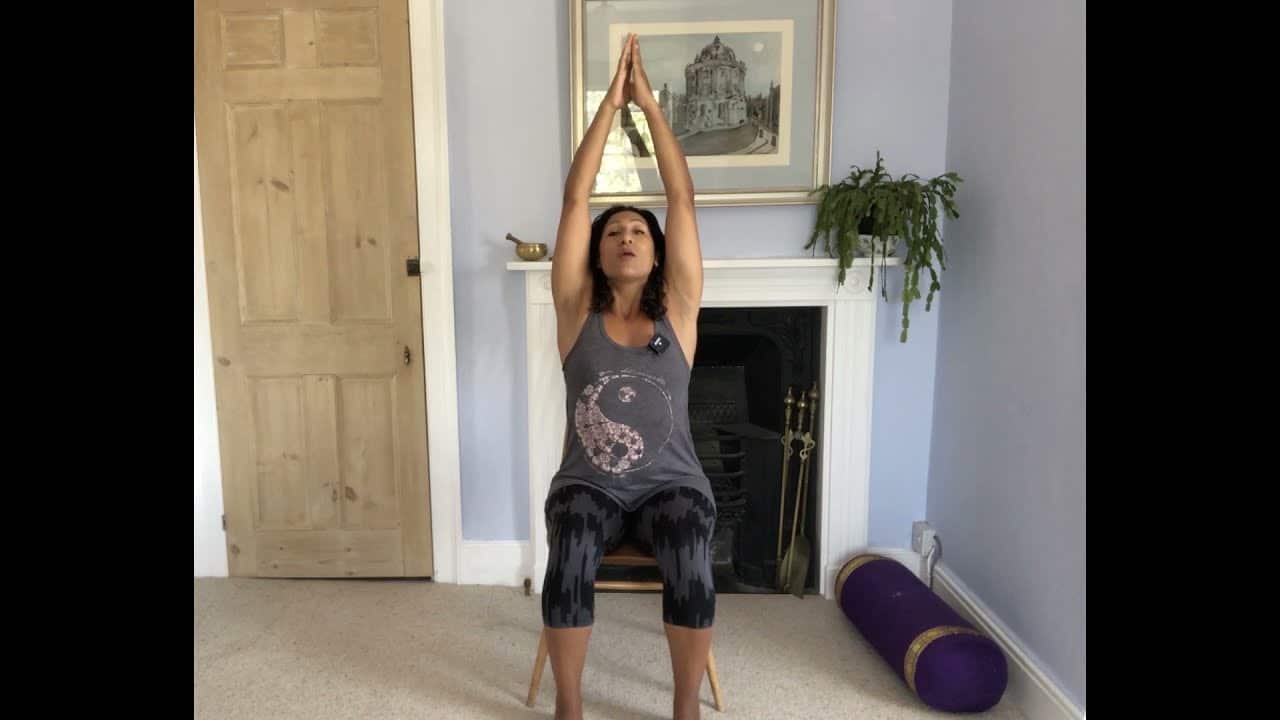
Adaptive Yoga: Adaptive yoga is specifically designed for people with disabilities. In their sessions, traditional yoga poses are adapted, so that they can be experienced by everyone – regardless of their level of ability. Find a yoga experience that works for you!
- Adaptive Yoga with Basma Gale
- Seated Adaptive Yoga with Lin Leong
- Yogic Breathing & Movement with Paola Merlassino
- Bed Yoga with Sydney Edwards
- Chair Yoga (Conference) with Ellen Shapiro
- Chair Yoga (Friday Webinar) with Ellen Shapiro
Strength Training
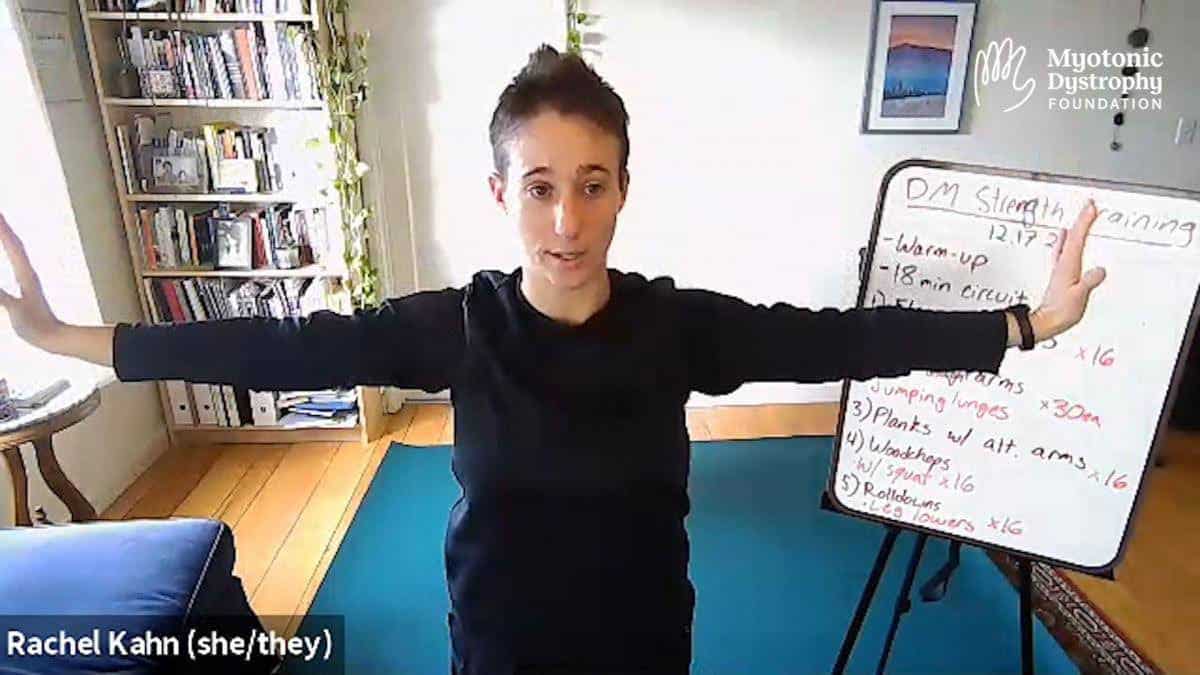
Adaptive Strength Training with Rach Kahn: The incredible Rach Kahn, NCPT, CSCS, CMT will then begin this class will begin with a warm-up including a body scan, breath work, active-stretching, and joint/spinal mobility work. The intensity will build as we layer on full-body strength training with functional, task-oriented movements, and some balance and coordination exercises. We will wrap up with some grounding movements to calm your nervous system and send you on your way!
Enjoy a 4 part DM Strength Training series with Rach Kahn with a bonus Conference workout: